Your Cart is Empty



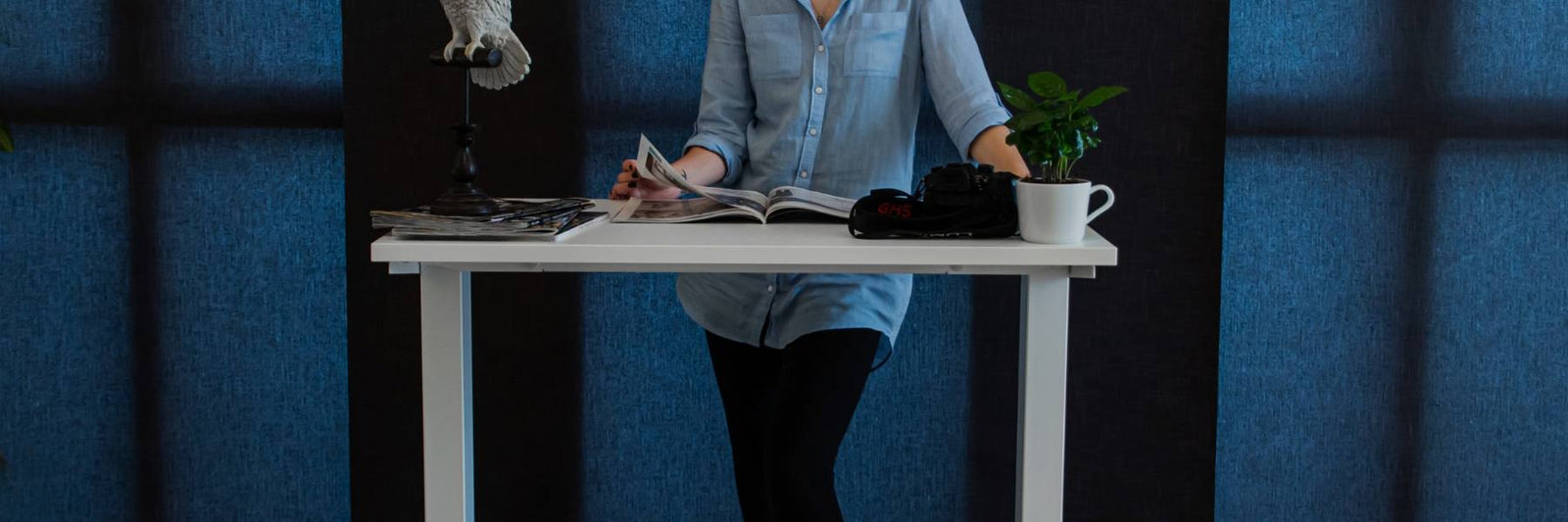

If you’ve just got a standing desk, you're probably eager to ditch the chair and get moving. But hang on, making the switch too quickly can backfire. Sore feet, aching backs, and general fatigue are common for those who dive in head-first. The key? Take it one step at a time.
Here’s how to ease into standing without regrets.
Going from sitting all day to standing for hours sounds productive - but your body might not agree.
Think of it like starting a new workout routine. You wouldn’t run a marathon on day one. Gradual transition helps your muscles adapt, reduces discomfort and keeps motivation high.
Start slow so your body can adjust without pain. For more on standing duration, see How Long Should You Stand at a Standing Desk?

Begin by standing for 15–30 minutes at a time. Set a timer if needed. Once you're comfortable, add another 10–15 minutes each day. Within a few weeks, standing for several hours will feel natural.
A sit-stand routine keeps energy up and prevents fatigue. Wondering if full-day standing is wise? Here’s Can You Use a Standing Desk All Day?
Make sure your desk and monitor are at the right height. Wrists should be flat, elbows at 90 degrees, and your screen at eye level. Bad posture can undo all the benefits of standing.

Tired legs or a sore back? Sit down! It’s about balance. Curious about seated use? See Can You Sit At A Standing Desk?
An anti-fatigue mat is a game changer. It cushions your feet and encourages subtle movement. Supportive shoes matter too, so ditch the slippers or high heels. And if you type a lot, a monitor arm and adjustable keyboard tray help maintain comfort.
Patience pays off. Celebrate small wins, like standing for an extra 10 minutes or completing a full day of sit-stand intervals. Before you know it, standing will feel as natural as sitting - just healthier.
And most importantly, get the right setup from the start. A high-quality desk can make all the difference. Browse our full collection of standing desks to find one that suits your space and needs.


